Gastric Bypass Abroad: Lithuania



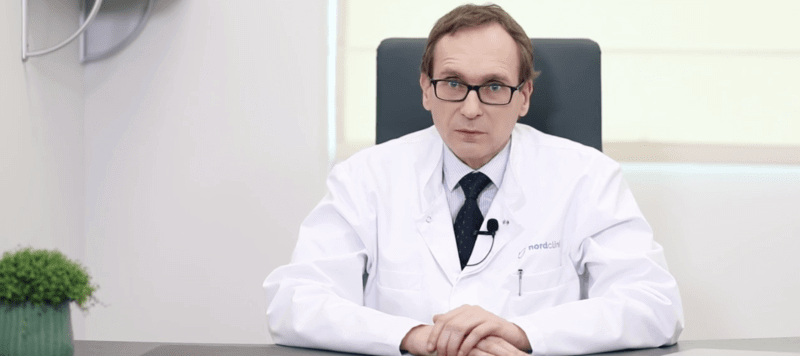
Surgeon Almantas Maleckas
Surgeon Nerijus Kaselis
Surgeon Linas Venclauskas
Anesthesiologist Aurika Karbonskiene
Surgeon Almantas Maleckas
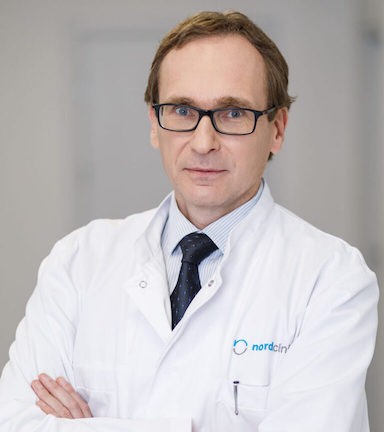
- Our surgeon Almantas Maleckas is a doctor of medical science
- UK General Medical Council (GMC) certified
- He performed over 7.000 bariatric operations
- A pioneer in laparoscopic surgery in the region
- More than 15 years working experience in Sweden, Gothenburg University hospital
- Works both in Lithuania and Sweden, speaks fluent English and Swedish
- London School of Economics graduate
Surgeon Nerijus Kaselis
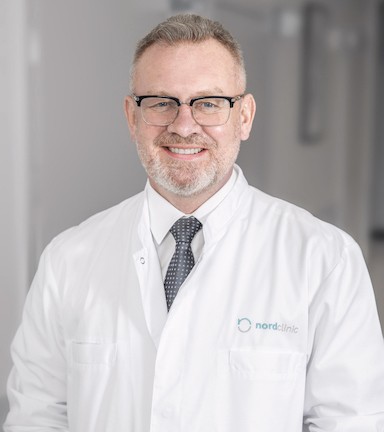
- Our surgeon Nerijus Kaselis is a doctor with a degree in medicine
- Member of the International Federation of Obesity
- Has been practising abdominal surgery for over 32 years, specialising in bariatric surgery for the past 18 years
- Was the first surgeon to perform various laparoscopic surgeries in Lithuania
- Works as a team lead of surgeons in complicated obesity surgeries abroad
- Has international work and study experience
Surgeon Linas Venclauskas
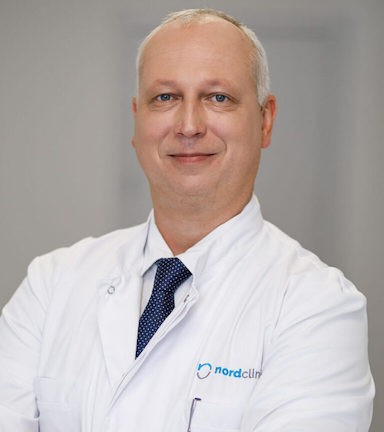
- Our surgeon Linas Venclauskas has over 15 years of experience
- Specialises in minimally invasive surgery, surgical treatment of the upper gastrointestinal tract and bariatric surgery
- Associate Professor at Lithuanian University of Health Sciences
- President of the Kaunas Society of Surgeons
- A member of the European Hernia Society
- Chairman of the Lithuanian Society of Hernia Surgery
Anesthesiologist Aurika Karbonskiene
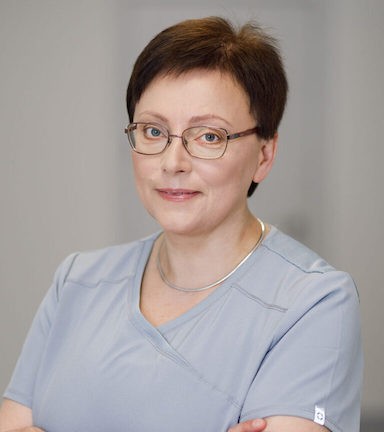
- Our surgeon Aurika Karbonskiene has over 25 years of experience as anesthesiologist
- Over 15 years of experience as a bariatric anesthesiologist
- Since 2008 – Associate Professor at Lithuanian University of Health Sciences
- Board member of Lithuanian Society of Anesthesiologists and Intensive Care Physicians
- Member of the European Society of Anesthesiology
- Researcher and coordinator at the Clinical Trial Network of European Society of Anesthesiology
Surgeon Almantas Maleckas
Surgeon Nerijus Kaselis
Surgeon Linas Venclauskas
Anesthesiologist Aurika Karbonskiene
Surgeon Almantas Maleckas
- Our surgeon Almantas Maleckas is a doctor of medical science
- UK General Medical Council (GMC) certified
- He performed over 7.000 bariatric operations
- A pioneer in laparoscopic surgery in the region
- More than 15 years working experience in Sweden, Gothenburg University hospital
- Works both in Lithuania and Sweden, speaks fluent English and Swedish
- London School of Economics graduate
Surgeon Nerijus Kaselis
- Our surgeon Nerijus Kaselis is a doctor with a degree in medicine
- Member of the International Federation of Obesity
- Has been practising abdominal surgery for over 32 years, specialising in bariatric surgery for the past 18 years
- Was the first surgeon to perform various laparoscopic surgeries in Lithuania
- Works as a team lead of surgeons in complicated obesity surgeries abroad
- Has international work and study experience
Surgeon Linas Venclauskas
- Our surgeon Linas Venclauskas has over 15 years of experience
- Specialises in minimally invasive surgery, surgical treatment of the upper gastrointestinal tract and bariatric surgery
- Associate Professor at Lithuanian University of Health Sciences
- President of the Kaunas Society of Surgeons
- A member of the European Hernia Society
- Chairman of the Lithuanian Society of Hernia Surgery
Anesthesiologist Aurika Karbonskiene
- Our surgeon Aurika Karbonskiene has over 25 years of experience as anesthesiologist
- Over 15 years of experience as a bariatric anesthesiologist
- Since 2008 – Associate Professor at Lithuanian University of Health Sciences
- Board member of Lithuanian Society of Anesthesiologists and Intensive Care Physicians
- Member of the European Society of Anesthesiology
- Researcher and coordinator at the Clinical Trial Network of European Society of Anesthesiology

London (London City, Stansted, Luton), Bristol, Edinburgh, Liverpool, Doncaster, Belfast
Dublin, Shannon
Madrid, Barcelona, Palma de Mallorca, Alicante
Oslo (Sandefjord Torp, Gardemon), Bergen, Stavanger, Ålesund
Stockholm, Gothenburg
Copenhagen, Billund
Berlin, Nurnberg, Cologne, Bremen, Dortmund, Munchen, Frankfurt

Send us your enquiry


x
CALL US IN THE UK
442033180873
CALL US IN LITHUANIA
+370 655 55268
CALL OR TEXT US ON
Messenger
WhatsApp
x